
Unlock Neurodivergent Talent in your organisation
We help you build fluency in neurodivergent and neurotypical communication so brilliant minds can flourish at work and in life
Neurodiverse teams solve complex business problems 3x faster
neurodiverse* Workplaces work Harder
Neurodiverse teams are 30% more productive
Organisations leading on inclusion earn 28% more revenue
But only when neurodivergent employees are well supported
*Neurodiverse = a mixture of neurodivergent and neurotypical employees
Despite good intentions, results are poor
You’re talking the talk, not walking the walk
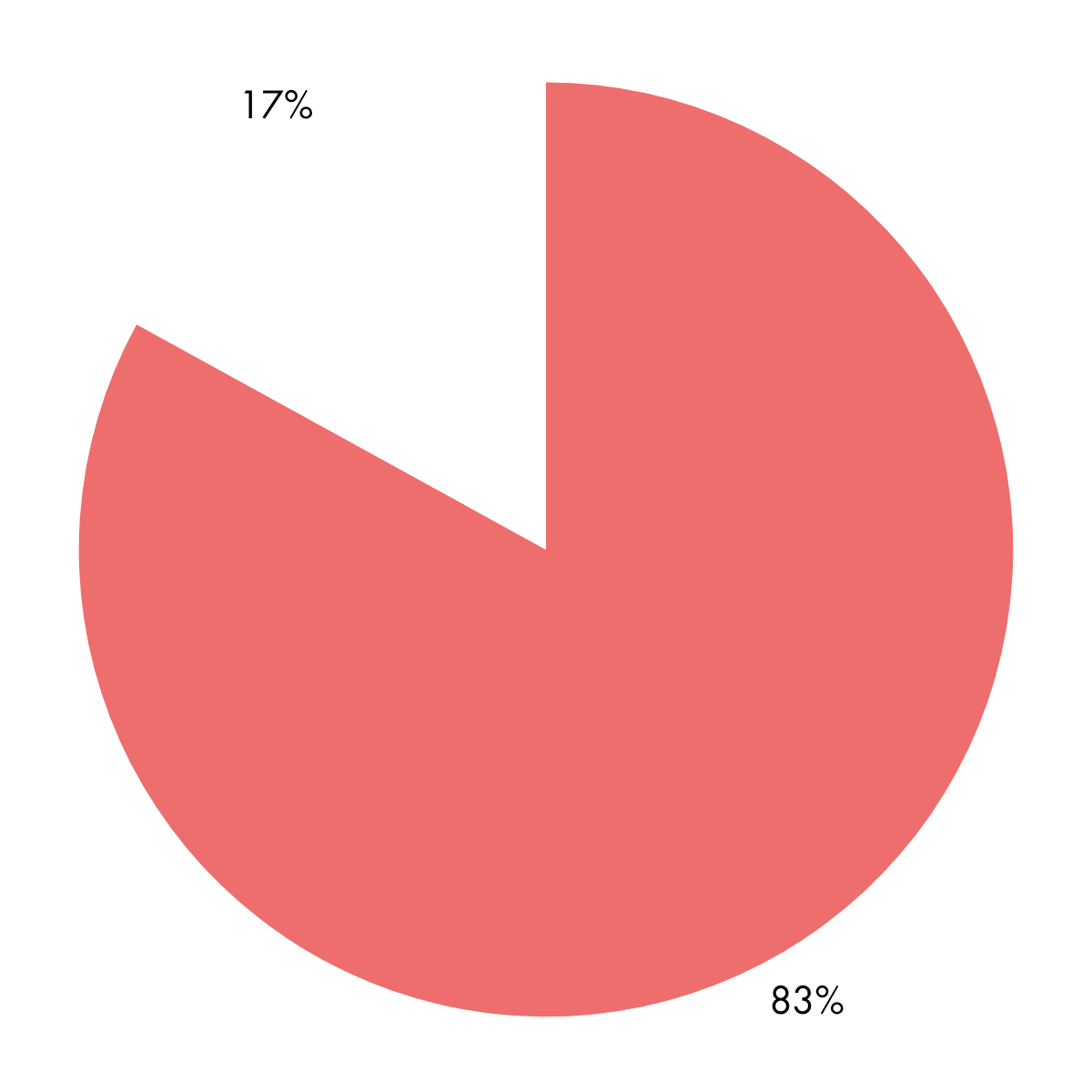
83%
of employers say employee wellbeing is critical
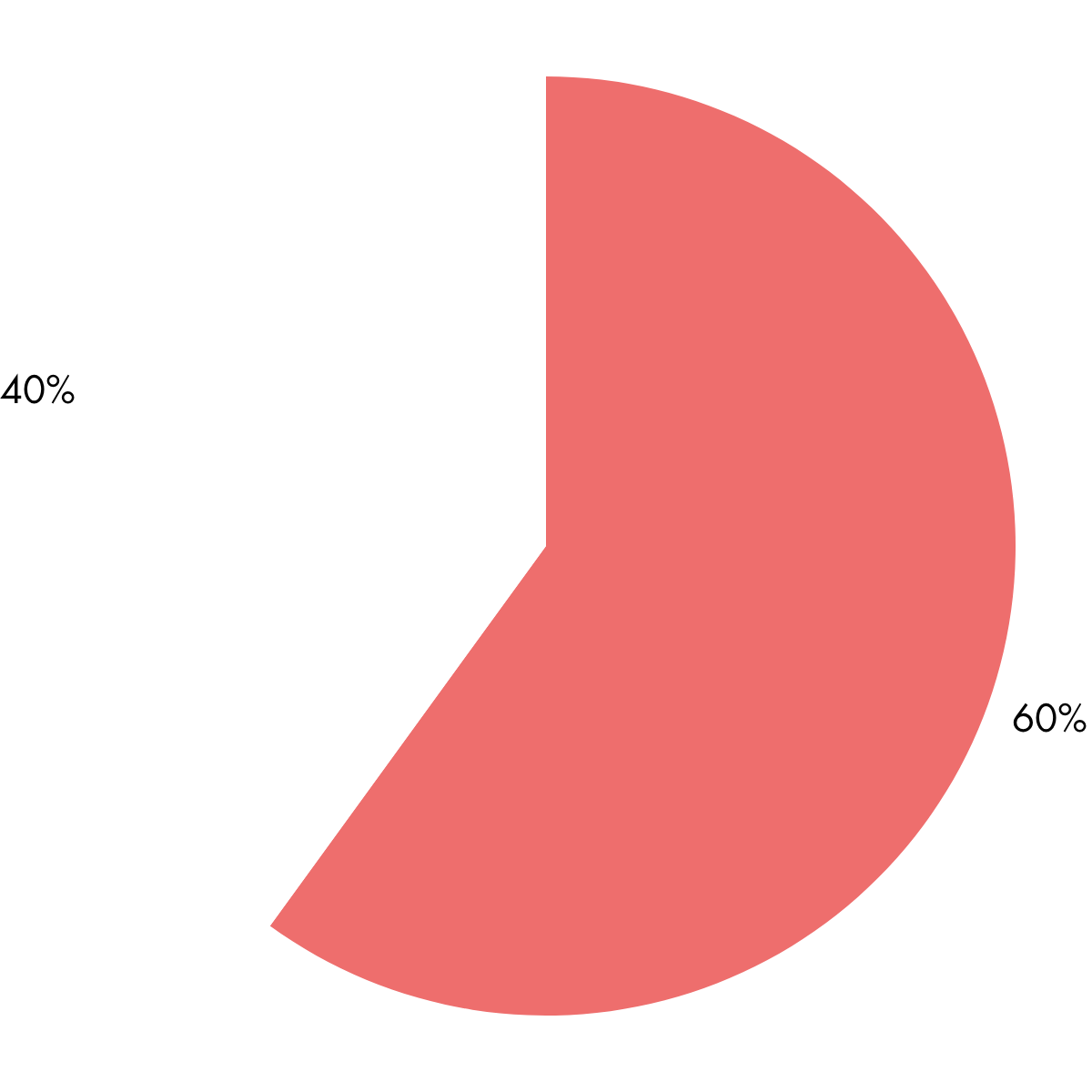
60%
of employers say neuroinclusion is a focus
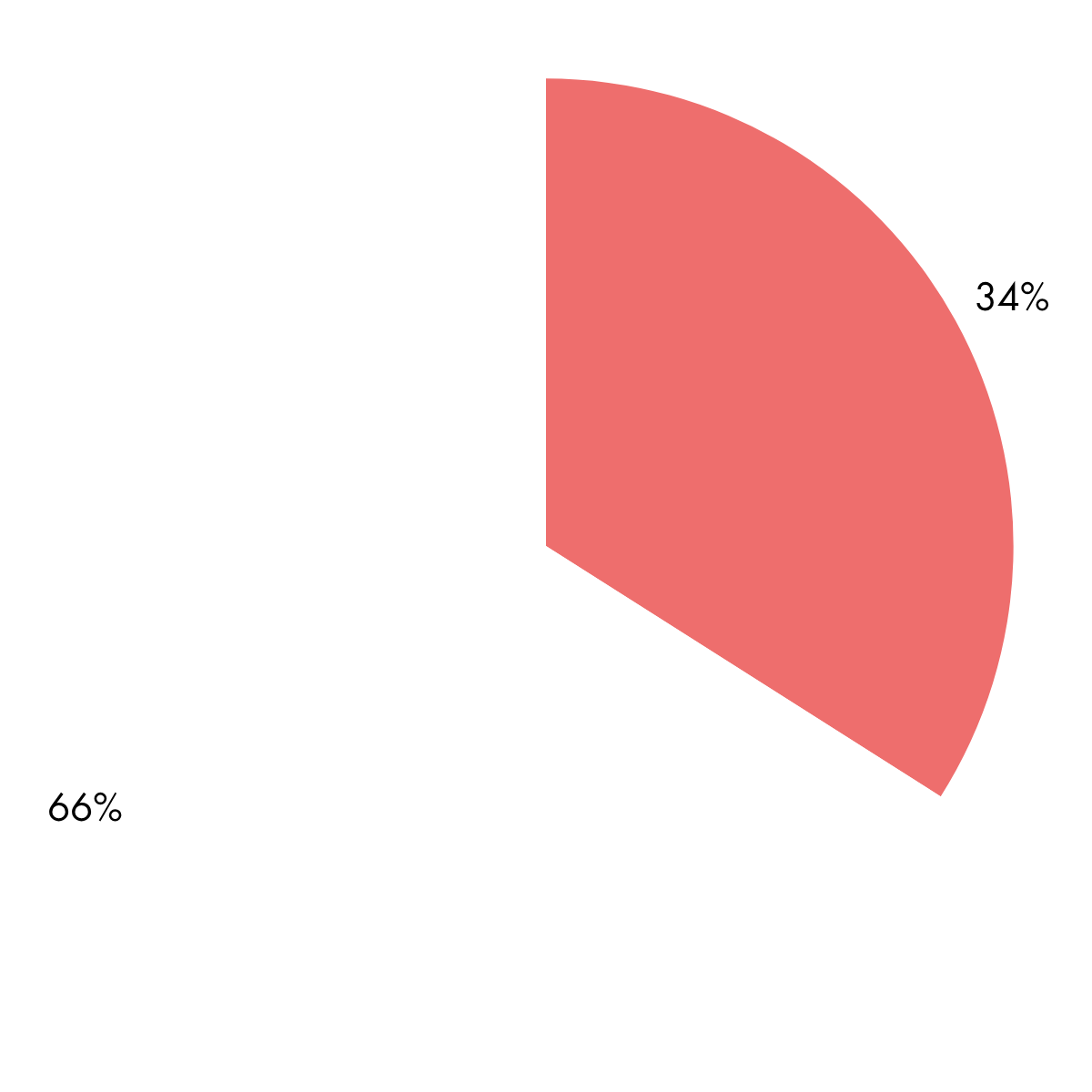
34%
of neurodivergent employees feel well supported
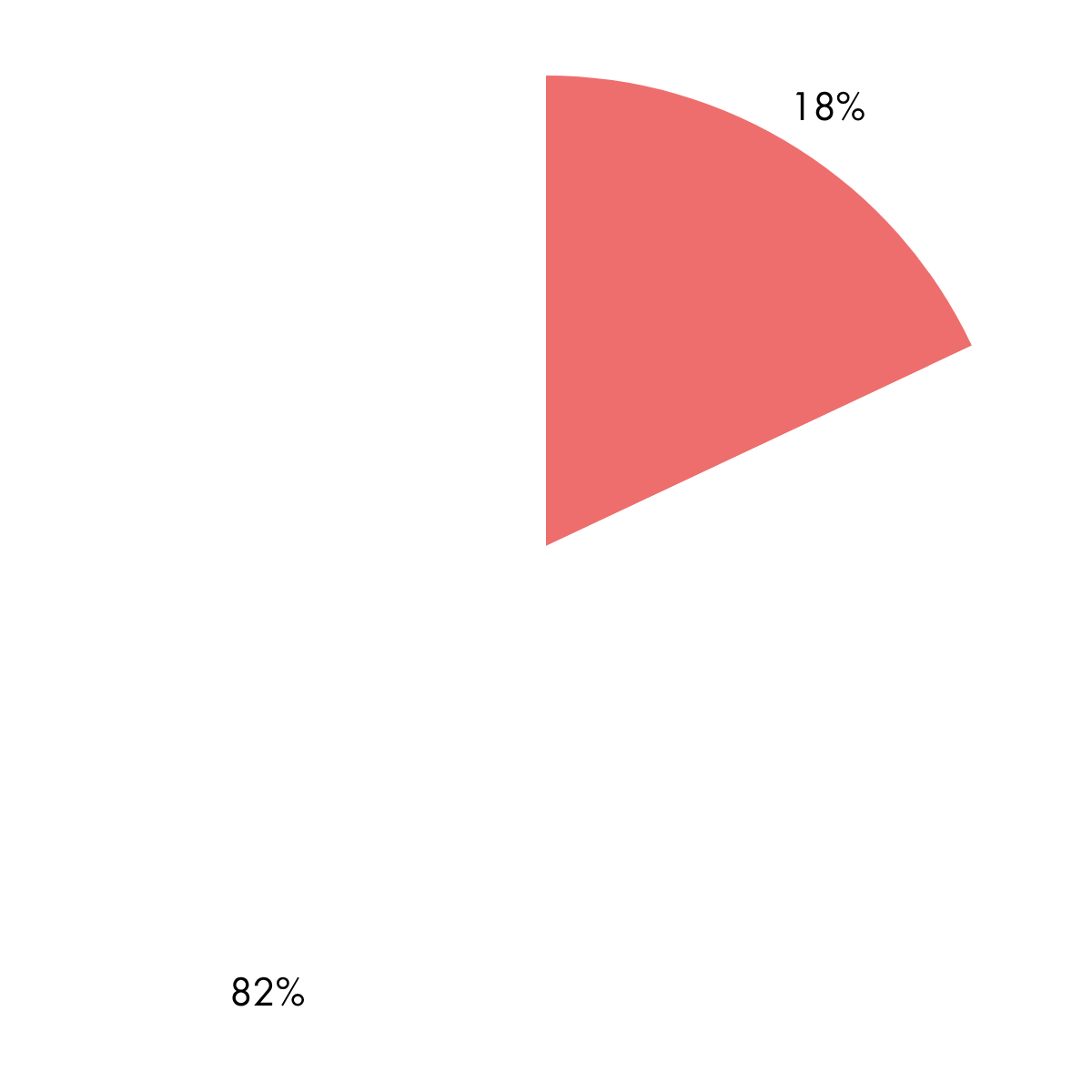
18%
of managers feel confident to support neurodivergent staff
Awareness & Accommodations are not enough
It’s time to bridge the gap between neurotypical and neurodivergent communication
Our Services
-
Via personal stories and concrete research, Cat Wood reveals the secret code that bridges the gap between neurodivergent and neurotypical communication styles
This isn’t your usual neurodiversity talk; it’s a practical lesson on how to build a neuroinclusive workplace.
Audiences put accommodations aside and learn how to reduce conflict, eradicate overwhelm, and unleash the talents of your neurodivergent employees.
For: everyone
-
In this three part training series (1.5 hours per session), Cat breaks down neuroinclusive communication into its component parts.
Using humour, stories, and interactive activities she shows your leaders how to troubleshoot the neuroinclusivity of your organisation and rebuild it into a powerhouse of innovation and psychological safety for all.
For: leaders and managers of all neurotypes
-
Cat coaches managers who are struggling to relate to neurodivergent employees and neurodivergent employees who need support to meet their full potential.
For: anyone who would benefit from increased knowledge and support around neurodiversity
-
For tricky situations in which relationships have broken down - either between neurodivergent people or between neurodivergent and neurotypical people - Cat is a neutral third party who listens to both sides and helps them to work on a solution.
For: anyone who needs mediation related to neurodiversity
If you work in the STEM or creative industries, or you have a high proportion of neurodivergent employees, neuroinclusive communication is essential to your mission.
Set up a free meeting and we’ll tell you more.
About
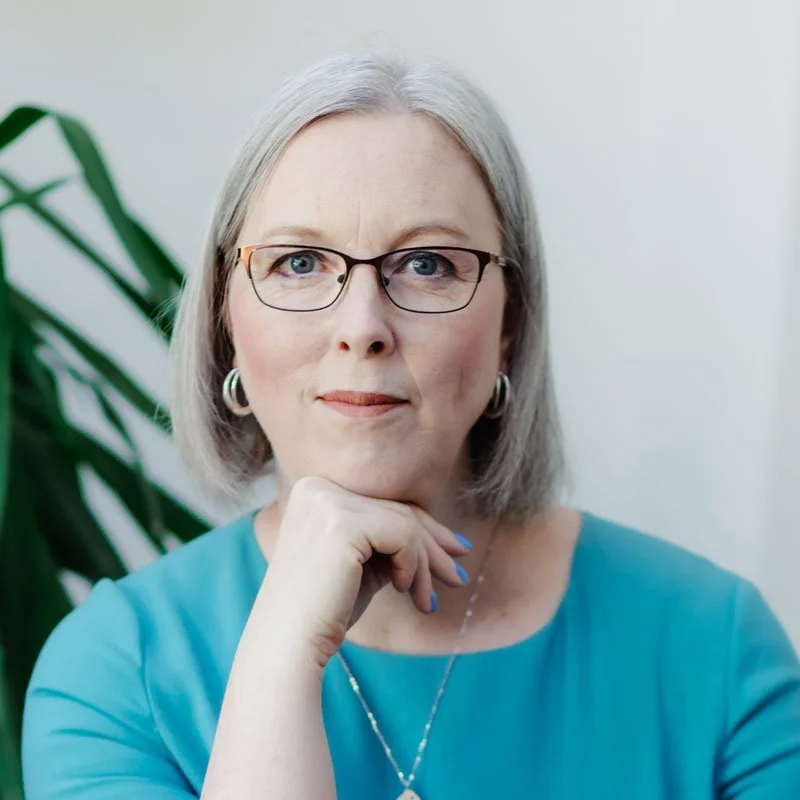
Cat Wood is an autistic speaker and communication specialist who spent years amplifying other people's voices before realizing she had something essential to say herself.
With a Masters in Human Sciences from Oxford University and a career in web design, Cat is an expert in translating complex ideas into clear, accessible messages. But her real education came as a little girl, studying human behaviour like "Jane Goodall and the chimps" after discovering her classmates were having entire conversations without words.
Now she helps organisations to bridge the gap between neurodivergent and neurotypical communication styles, significantly improving working lives and building successful, innovative neuroinclusive organisations.
Testimonials
“Your talk was one of the most valuable and informative hours that we have spent together as a team at Domainex. You were able to provide authentic insights into how we, as an organisation, can enable a truly inclusive environment”
- Andrea Fuller, HR Manager, Domainex
“Your talk was hugely helpful to me personally, but has also made people in the company think more carefully about their behaviour/ words/ actions and how to modify them to genuinely be more inclusive at work. Keep up the amazing work!”
- Attendee